• Unlocking the Mysteries of Sheet Metal
    Unlocking the Mysteries of Sheet Metal
    September 20, 2026
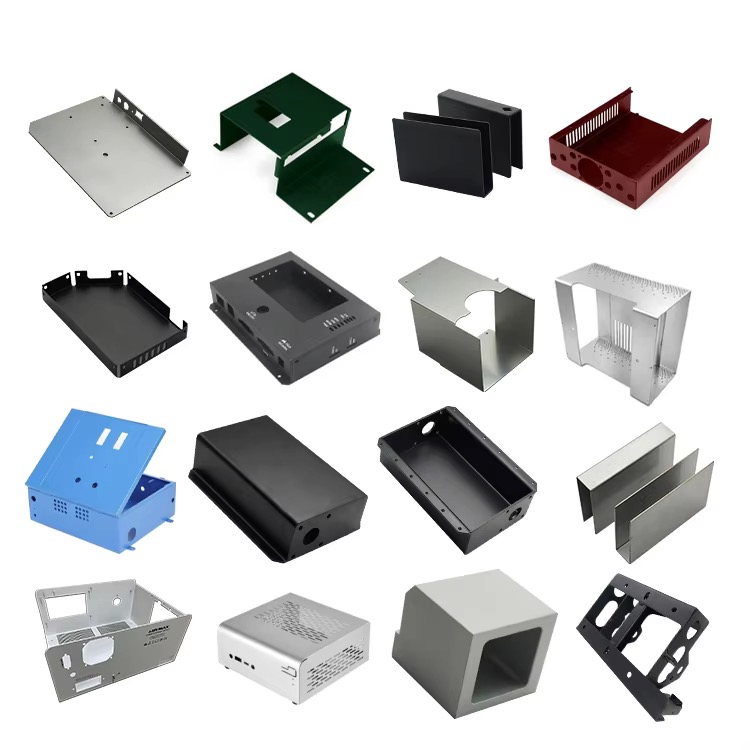
    "Sheet metal"—a term that might first bring to mind car bodies—actually encompasses a far wider range of applications than one might imagine. It extends beyond automotive exteriors to include everything from household appliances, fine tableware, and commercial kitchen equipment to computer casings and aircraft cowlings. Let’s explore the secrets of sheet metal, delving into its fabrication processes and diverse uses.    Sheet metal—a general term for metal in flat, thin sheets—is widely used in industry thanks to its unique properties. Compared to solid metal blocks, thin metal sheets are much easier to cut and fold. Their high strength means that even a thin sheet can be fashioned into various products; this ensures high material utilization and, consequently, lower costs—factors that have driven its widespread industrial adoption. In fact, humans have used thin metal sheets to craft weapons since as early as 4000 BC. Although metalworking was far more difficult than woodworking back then, repeated manual hammering could thin the metal out—a process akin to forging. It wasn't until around 600 BC that the Middle East and South Asia saw the emergence of a precursor to modern sheet metal machinery: the rolling press. These presses used two large rollers to flatten metal into thin sheets—a process remarkably similar to rolling out dough.   Common sheet metal materials include iron, stainless steel, aluminum, and copper. In modern steel sheet metal production, molten metal is first cooled in a high-temperature steel mill environment to form large, heavy semi-finished steel slabs. These slabs are then sent to a rolling mill for processing at temperatures between 1,100°C and 1,250°C; the softened slabs are pressed into what is known as hot-rolled steel plate. Because these plates are relatively thick, they are primarily used in industries such as construction and shipbuilding. However, such thickness is often excessive for the sheet metal products used in everyday life, so the material typically undergoes further processing to reduce its thickness. We refer to this pressing process, carried out at room temperature, as cold rolling. Through cold rolling, we can produce extremely thin steel sheets—some as thin as 1 mm. It is worth noting that there are significant visual differences between cold-rolled and hot-rolled steel. Untreated hot-rolled steel often retains a dark, carbonized appearance with a rough texture; this is known as "black skin" material. In contrast, cold-rolled steel undergoes processes such as heat treatment or pickling prior to pressing, resulting in a smoother, flatter surface with a bright or matte metallic sheen; this is known as "bright" or "clean" sheet. To facilitate subsequent processing or transport, the pressed sheet metal is typically coiled into cylinders or cut into flat sheets to meet specific manufacturing requirements. Next, let us explore the methods used to process sheet metal. Sheet metal can be categorized by thickness into thin sheet metal and thick sheet metal. Material with a thickness of less than 3 mm is classified as thin sheet metal and is widely used in appliances, consumer goods, and automotive manufacturing. Material exceeding 3 mm in thickness is classified as thick sheet metal and is primarily used in construction, heavy machinery, and shipbuilding. Although there are slight differences in processing techniques between the two types, the overall processing workflow is similar.   The sheet metal processing workflow can be divided into three key stages: cutting, forming, and joining. First, let us examine the cutting stage in detail. Similar to paper cutting, this step involves removing the required shape from the raw sheet material—a process professionally known as "blanking." In industrial production, punching and laser cutting are two common cutting methods. Punching utilizes a press machine and shaped dies to cut the material into form using high pressure, enabling rapid hole punching. Laser cutting, on the other hand, uses a laser beam to cut metal sheets with high precision; it is ideal for creating complex shapes or producing small-batch prototypes. However, it is worth noting that laser cutting may be limited by thermal deformation when processing thick sheet metal; in such cases, high-power lasers or waterjet cutting processes may be considered. Next is the forming stage, where bending, stamping, and hydroforming serve as the primary methods for shaping the sheet metal. These methods shape sheet metal into the required forms and structures, laying the groundwork for subsequent joining processes.   Bending is a crucial step in sheet metal forming, typically performed using a bending machine. The principle is akin to origami: the sheet metal is bent through the application of pressure from upper and lower dies. The upper die—often referred to as the "tool" or "punch"—comes in various types, such as straight blades and curved blades. Curved blades are designed to prevent workpiece interference during the bending process, while the lower die (typically a V-die) plays a vital role in determining the final shape.   Bending alone enables the manufacture of numerous everyday products—such as computer cases, stylish furniture, and machinery housings—making it a massive industry in its own right. Meanwhile, stamping (or press forming) is a technique that creates three-dimensional shapes using high-pressure impact combined with molds; this is also known as the deep-drawing process. This technique is suitable not only for industrial parts but also for household metalware like cups and bowls. However, sheet metal shares characteristics with fabric: while easily shaped, excessive deformation in a single area can lead to fracturing. Consequently, the stamping process often involves multiple dies and successive strokes to distribute the deformation and achieve the desired form. Even the seemingly simple curved surface of a kettle requires meticulous crafting through multiple stages.   Furthermore, for elongated shapes, we employ "deep drawing"—an extended version of the stamping process. This involves clamping the sheet metal and then applying gradual pressure via a mold to slowly form the elongated shape. These stamping steps can be efficiently linked using automated equipment, enabling the production of multiple parts from a single sheet or the completion of several processes in one go—a method known as progressive stamping. This efficient assembly-line approach serves as a valuable model for various industries. Next, let us discuss another sheet metal forming method: hydroforming. Hydroforming is similar to stamping, but instead of shaping the material through impact, it utilizes fluid pressure to deform it. For instance, in the tube hydroforming process, fluid is injected into both ends of a tube at ultra-high pressure, causing the metal material to deform under that pressure. In addition, there are complex processes such as explosive forming, which enable the creation of intricate shapes that are difficult to produce with conventional molds. These methods are widely used to manufacture items with unusual curved surfaces or extra-thick metal components, such as bicycles, bicycle frames, exhaust pipes, and vacuum flasks. Finally, the formed sheet metal parts undergo careful assembly and joining; they can be secured through welding or by using various fasteners, screws, or rivets. Of course, there is much more to the art of sheet metal forming; this has merely been a brief introduction to the basics. In a similar vein, people—like metal—require continuous shaping and transformation to reach their ideal state. On life's journey, we too must soften our mindset and remain open-minded to broaden our horizons and unlock new possibilities. Only then can we, like sheet metal, transform into a variety of meaningful shapes and fill our lives with infinite potential.
  • What is Sheet Metal Fabrication?
    What is Sheet Metal Fabrication?
    September 20, 2026
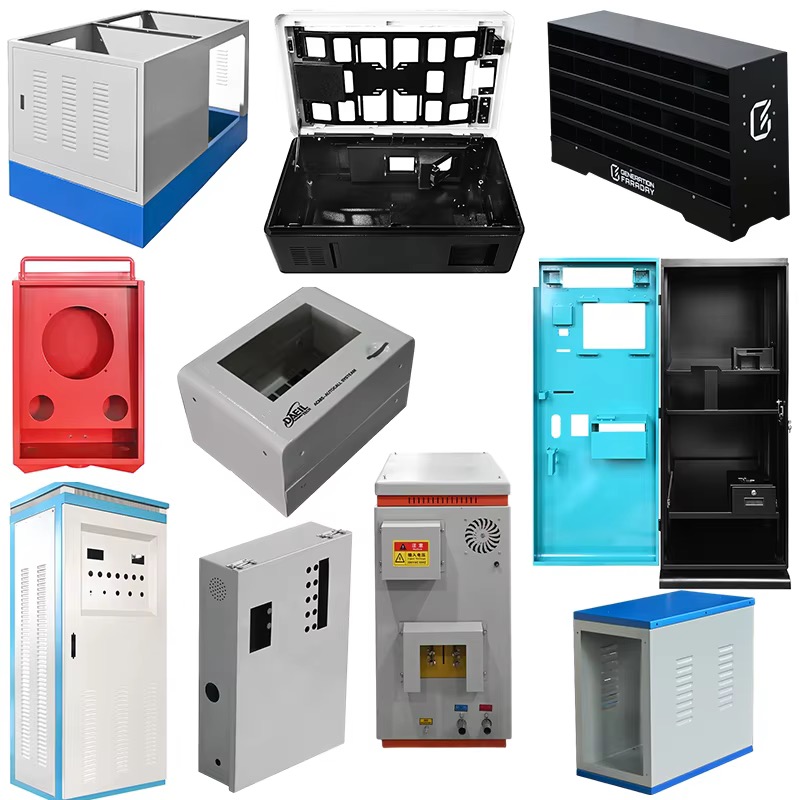
    Sheet metal fabrication is a comprehensive cold-working process for metal sheets thinner than 6mm. Its core characteristic is uniform thickness across the part. The process encompasses cutting, forming, joining, and surface treatment, and is widely used to manufacture structural components such as chassis, cabinets, and housings. The frames of food processing machinery, for instance, are predominantly made using this process. I. Core Process Flow Blanking (Cutting) → Forming → Joining → Surface Treatment → Assembly & Inspection II. Detailed Breakdown of Key Processes 1. Blanking (Cutting) Cutting the sheet into its unfolded profile; the method chosen determines precision and cost: Shearing: Straight-line cutting using a shear machine; low cost, moderate precision, suitable for simple rectangles. Laser Cutting: High precision (±0.1mm) and high flexibility; suitable for complex shapes and small batches, but higher cost. CNC Punching: Using a turret punch press for hole punching, corner cutting, and ribbing; fast speed, suitable for mass production, requires tooling (dies). Plasma / Waterjet: Plasma for thick plates (>6mm); waterjet causes no thermal deformation, suitable for special materials. 2. Forming Altering the sheet's shape without compromising its structural integrity: Bending: Creating V or U shapes using a press brake; the most common method. Requires calculating the developed length (neutral axis K-factor: mild steel 0.4, stainless steel 0.35, aluminum 0.45) and controlling springback (1°–3°). Stamping/Press Forming: Using a press and dies for deep drawing, embossing, flanging, and louvering; high efficiency, suitable for mass production. Roll Bending / Rolling: Rolling cylinders or cones using a roll bending machine; used for pipes and tanks. 3. Joining and Fastening Assembling parts into a structure: Welding: Spot welding (thin sheets, minimal deformation), Argon arc welding (good aesthetic finish), Laser welding (precision). Riveting: Blind rivets, self-clinching nuts; allows for disassembly, suitable for thin sheets. Threaded connections: Bolt/screw assembly; facilitates maintenance. Bonding: For dissimilar materials or precision parts; requires cleaning and curing. 4. Surface Treatment Rust prevention, wear resistance, and aesthetics: Spraying: Electrostatic powder coating (uniform, strong adhesion) and baked enamel; suitable for mass production. Plating: Zinc (rust prevention), chrome (wear resistance), and nickel (conductivity). Anodizing: Specific to aluminum; forms a hard oxide layer; dyeable. Brushing/Passivation: Stainless steel brushing (texture) and passivation (corrosion resistance). 5. Post-processing and Assembly Deburring, grinding, and leveling; laser marking and adhesive sealing; final assembly and dimensional/visual inspection. III. Common Materials and Characteristics Cold-rolled steel sheet (SPCC): Easy to process, low cost; commonly used for chassis and cabinets. Stainless steel (SUS304/316): Corrosion-resistant, high strength; used for food processing and outdoor equipment. Aluminum alloy (5052/6061): Lightweight, good conductivity; used for electronics and aerospace housings. Electro-galvanized sheet (SECC): Zinc-coated for rust prevention; used for electronic chassis. IV. Application Fields Electronics: Chassis, cabinets, server housings. Home appliances: Air conditioner, refrigerator, and microwave oven housings. Automotive: Body panels and interior components. Telecommunications: Base station housings and equipment chassis. Medical: Equipment housings and brackets. V. Summary Sheet metal fabrication is a comprehensive cold-working technology for thin sheets, where every step—from blanking to surface treatment—is interconnected. Proper selection of processes and materials enables the manufacturing of structural components that are cost-effective, high-precision, aesthetically pleasing, and durable.
  • Introduction to Multi-Scenario Applications of Electric Energy Storage Power Units for Landscaping and Vehicle-Mounted Equipment
    Introduction to Multi-Scenario Applications of Electric Energy Storage Power Units for Landscaping and Vehicle-Mounted Equipment
    August 19, 2026
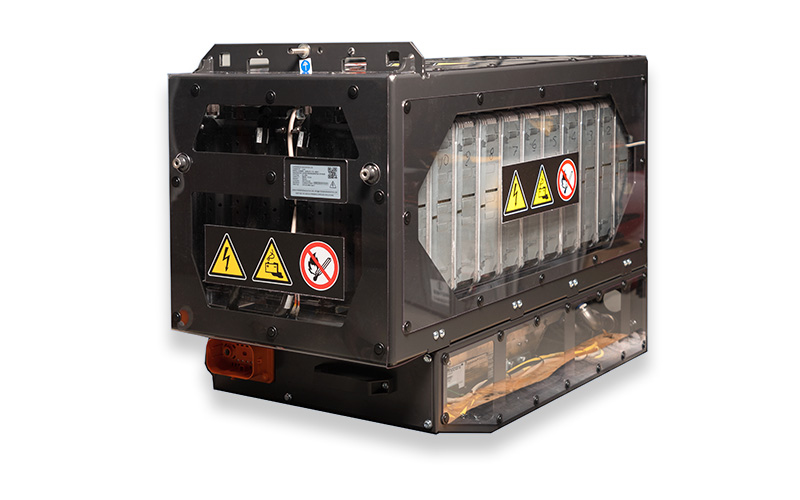
    The electric energy storage power unit represents a new generation of lightweight, integrated power supply assemblies based on lithium-ion technology. It is widely used in landscaping equipment, intelligent cleaning machinery, low-speed sightseeing vehicles, sanitation transport vehicles, and vehicle-mounted energy storage systems. Unlike traditional configurations that rely on scattered lead-acid battery assemblies, this integrated unit combines lithium battery modules, a Battery Management System (BMS), a protective housing, thermal management structures, waterproof wiring, overload protection, and cell balancing into a single package. It offers key advantages such as high safety, extended range, strong adaptability, vibration resistance, ease of installation/removal, and maintenance-free operation. Designed to withstand complex operating conditions—including outdoor exposure, rough terrain, dusty or humid environments, and continuous duty cycles—it serves as the core power source enabling energy-efficient, stable, and long-lasting operation for various electric landscaping, cleaning, and low-speed vehicle-mounted systems. I. Core Universal Product Features This series of electric energy storage power units features an integrated, sealed housing and a modular lithium-ion design, specifically engineered for the dynamic operating conditions of mobile equipment. The units possess six key universal characteristics: high safety protection, strong environmental adaptability, dynamic voltage regulation, rapid installation/removal, long cycle life, and low self-discharge. An intelligent BMS provides comprehensive protection against overcharge, over-discharge, overcurrent, short circuits, high temperatures, and low-voltage imbalances. The housing is constructed from thickened flame-retardant sheet metal or high-strength engineering materials, offering dust and water resistance, shock and compression resistance, and durability against wear and aging. Supporting fast charging, continuous discharge, and high-current instantaneous output, the units accommodate the operational demands of frequent start-stop cycles, reciprocating motion, and fluctuating loads, making them suitable for standardized application across the entire range of landscaping, cleaning, sanitation, and low-speed vehicle equipment. II. Application Introduction Across Specific Scenarios 1. Energy Storage/Power Unit for Electric Weed Mowers This unit serves as the dedicated power core for intelligent and electric weed mowers, providing continuous power to the vehicle's drive system, mowing deck, motor transmission system, and intelligent control modules. Designed for the harsh conditions of mowing operations—including uneven terrain, weed entanglement, exposure to intense sun and rain, and high levels of mud and dust—the unit features a high-strength, sealed housing. This structure effectively blocks the ingress of mud, water, weeds, and dust, preventing internal short circuits or electrical leakage. Built-in dynamic current regulation adapts to operational demands such as sudden load fluctuations, cutter deck obstructions, and frequent start-stop cycles, ensuring stable power delivery and preventing stalling, speed drops, or overload shutdowns. Its integrated, detachable design facilitates rapid on-site replacement, charging, and storage, significantly extending the continuous operating time of the mowing equipment and serving as a core guarantee for stable endurance and safe operation. 2. Energy Storage/Power Unit for Garden Mowers This energy storage and power unit is compatible with walk-behind, self-propelled, and autonomous robotic mowers, specifically designed for lawn trimming and landscaping maintenance. Garden maintenance involves long periods of continuous operation, rough terrain, high humidity, and dusty environments; the unit ensures stable battery module performance under high-frequency vibration and moisture through a high-strength, shock-resistant casing and a sealed, waterproof structure. An intelligent BMS automatically adjusts output power based on the mowing load—stabilizing voltage and saving energy during light loads while delivering full power during heavy loads—thereby effectively reducing energy consumption and extending runtime. It also offers protection against overheating, impact, and puncture, effectively handling accidental incidents such as collisions, stone impacts, and weed entanglement, thus meeting the demands of long-term, high-frequency maintenance in municipal parks, residential landscaping, and industrial facility lawns. 3. Energy Storage/Power Unit for Automatic Sweepers This energy storage and power unit serves as the core power source for smart compact sweeping robots and autonomous cleaning equipment, suitable for precision cleaning in indoor venues, campus walkways, and public plazas. The equipment requires frequent starting and stopping as well as intensive maneuvering and turning, placing extremely high demands on power stability, voltage regulation, and efficient low-current operation. This specialized energy storage and power unit features low standby power consumption, smooth and sustained discharge, and stable low-current output. It meets the power requirements of drive motors, brush motors, vacuuming systems, and intelligent navigation controls, ensuring steady low-speed movement, uniform cleaning, and precise navigation without drift. Its lightweight, integrated design fits the chassis closely without encroaching on cleaning space. Additionally, the unit offers excellent dust and moisture resistance, effectively protecting the battery module from ground dust and cleaning-related moisture, thereby significantly extending the overall service life of the intelligent cleaning equipment. 4. Energy Storage/Power Unit for Small Sweeper Vehicles This unit is widely used in small electric sweepers for industrial parks, residential complexes, campuses, and commercial streets, supplying power for propulsion, vacuuming, water spraying, brush operation, lighting, and electronic control systems. Compared to small cleaning robots, these vehicles handle heavier loads, operate for longer periods, and traverse more complex terrain. The unit supports high-current continuous discharge and prolonged operation, making it suitable for uninterrupted daytime cleaning. It features a reinforced, shock-resistant structure capable of withstanding road bumps, speed bumps, and frequent stop-start cycles, preventing issues such as loose connections or voltage fluctuations. An optimized heat dissipation design prevents overheating during prolonged heavy-load operation, effectively addressing common problems like excessive heat, rapid range degradation, and high failure rates, making it ideal for high-frequency commercial sanitation tasks. 5. Energy Storage/Power Unit for Electric Sightseeing Vehicles This unit serves as the core powertrain for electric sightseeing vehicles and shuttles used in scenic areas, industrial parks, real estate developments, and campuses. It provides stable power for propulsion, electronic control systems, lighting, audio, and onboard auxiliary equipment. Sightseeing vehicles operate under conditions characterized by fluctuating passenger loads, long driving distances, continuous daytime service, and outdoor parking in all weather. This specialized unit offers a long cycle life, stable range, and high resistance to performance degradation, meeting the demands of all-day, uninterrupted passenger transport. It features an integrated battery balancing management function to prevent individual cells from aging or becoming unbalanced, ensuring consistent range and sustained power output over long-term use. The sealed, waterproof, and temperature-resistant casing withstands harsh outdoor conditions—such as intense summer heat, freezing winter temperatures, and wet, humid weather—guaranteeing stable, all-weather operation for sightseeing vehicles. It is a critical component for the safe, durable, and energy-efficient operation of low-speed electric passenger vehicles. 6. Automotive Energy Storage/Power Unit This unit is primarily used in low-speed new energy vehicles, vehicle-mounted auxiliary energy storage systems, and backup power assemblies for stationary operation. Distinct from the main drive battery, it focuses on functions such as auxiliary power supply, voltage stabilization during parking, power-cut protection, and backup power for onboard equipment, while also serving as a drive power unit for low-speed vehicles. Built to automotive-grade protection standards, the casing offers exceptional shock resistance, compression strength, and fire-retardant properties, enabling it to withstand harsh operating conditions—including high-speed vibrations, the impact of frequent starts and stops, and rapid temperature fluctuations. Integrated electrical protection and voltage stabilization modules effectively stabilize the vehicle's voltage, protecting electronic control systems, audio-visual systems, and sensors while preventing equipment failure caused by voltage fluctuations. It also supports long-term standby power supply while parked, meeting the continuous power needs of onboard appliances and enhancing the overall stability and safety of the vehicle's electrical system. 7. Energy Storage/Power Unit for Electric Garbage Transport Vehicles This unit is a dedicated power and energy storage solution for electric sanitation transfer vehicles, residential waste collection carts, and industrial sanitation transport vehicles. It provides comprehensive power support for vehicle propulsion, hydraulic lifting, automatic waste dumping, dust-suppression spraying, and electronic warning systems. Sanitation operations involve complex conditions characterized by significant load fluctuations, frequent stop-and-go driving, rough terrain, humid and dusty environments, and prolonged outdoor parking. The unit features a high-strength structure that is resistant to dirt, moisture, dust, and shock, capable of withstanding exposure to mud and water, dust accumulation, and heavy-load impacts common in sanitation work. With strong instantaneous high-current output capabilities, it perfectly meets the demands of heavy-load starts and the sudden high-load requirements of hydraulic lifting systems, delivering robust power without stalling or voltage drops. The intelligent temperature-controlled cooling system effectively prevents heat accumulation during heavy-load operations, ensuring stable, high-intensity, and round-the-clock performance for sanitation vehicles, thereby significantly boosting operational efficiency. III. Overall Design and Core Application Advantages 1. Strong Adaptability to Operating Conditions: Custom-engineered for complex scenarios—including landscaping, street sweeping, sanitation services, and vehicle-mounted systems—the unit is shock-resistant, waterproof, dustproof, and moisture-proof, and withstands extreme temperatures. It performs flawlessly in harsh environments characterized by outdoor exposure, rough terrain, heavy-load stop-and-go driving, and exposure to dust, mud, and water. 2. Stable Power Output: Equipped with an intelligent Battery Management System (BMS) featuring voltage stabilization, adaptive current control, and cell balancing. It automatically adjusts power output based on equipment load, eliminating stuttering, speed drops, and voltage drift for smoother operation. 3. High Safety Standards: Integrates multiple protection mechanisms against short circuits, overcurrent, overvoltage, undervoltage, high temperatures, overloads, and impacts. The casing is flame-retardant and vibration-resistant, ensuring electrical safety for mobile equipment through both structural and electrical safeguards. 4. Long Range and Minimal Degradation: Utilizes high-consistency lithium battery modules offering long cycle life and low self-discharge. Range degradation is minimal over time, supporting prolonged continuous operation and all-weather service while significantly reducing charging frequency and downtime. 5. High Integration and Easy Handling: Features an all-in-one integrated design with organized wiring and comprehensive protection, eliminating the need for assembling scattered components. It supports rapid removal and replacement, independent charging, and convenient storage, ensuring simple maintenance and broad adaptability. 6. Energy-Efficient, Eco-Friendly, and Mass-Production Ready: The all-electric energy storage solution offers zero emissions and low noise, aligning with green development trends in landscaping, sanitation, and new-energy vehicle equipment. Its highly standardized modular structure facilitates mass assembly and large-scale deployment. IV. Application Summary The electric energy storage power unit serves as the core power assembly for landscaping equipment, intelligent sweepers, sanitation transport vehicles, and low-speed mobile machinery. It comprehensively covers a wide range of electric mobile equipment applications, including mowing and trimming, cleaning and maintenance, sightseeing shuttles, waste transfer, and vehicle-mounted energy storage. Compared to traditional split-type battery configurations, the integrated energy storage power unit achieves a high level of integration across power supply, intelligent management, safety protection, and environmental adaptability. It effectively addresses industry pain points associated with traditional batteries, such as poor shock resistance, weak protection, unstable range, high failure rates, and cumbersome maintenance. With core advantages including high safety, stability, environmental adaptability, and long-lasting performance, it serves as a key component for upgrading equipment used in modern landscaping, smart sanitation, and green low-speed mobile applications, providing a robust power foundation for the efficient, safe, and continuous operation of diverse mobile electric equipment.
  • Introduction to the multi-scenario application of consumer electronics long power supply panels and casings
    Introduction to the multi-scenario application of consumer electronics long power supply panels and casings
    June 29, 2026
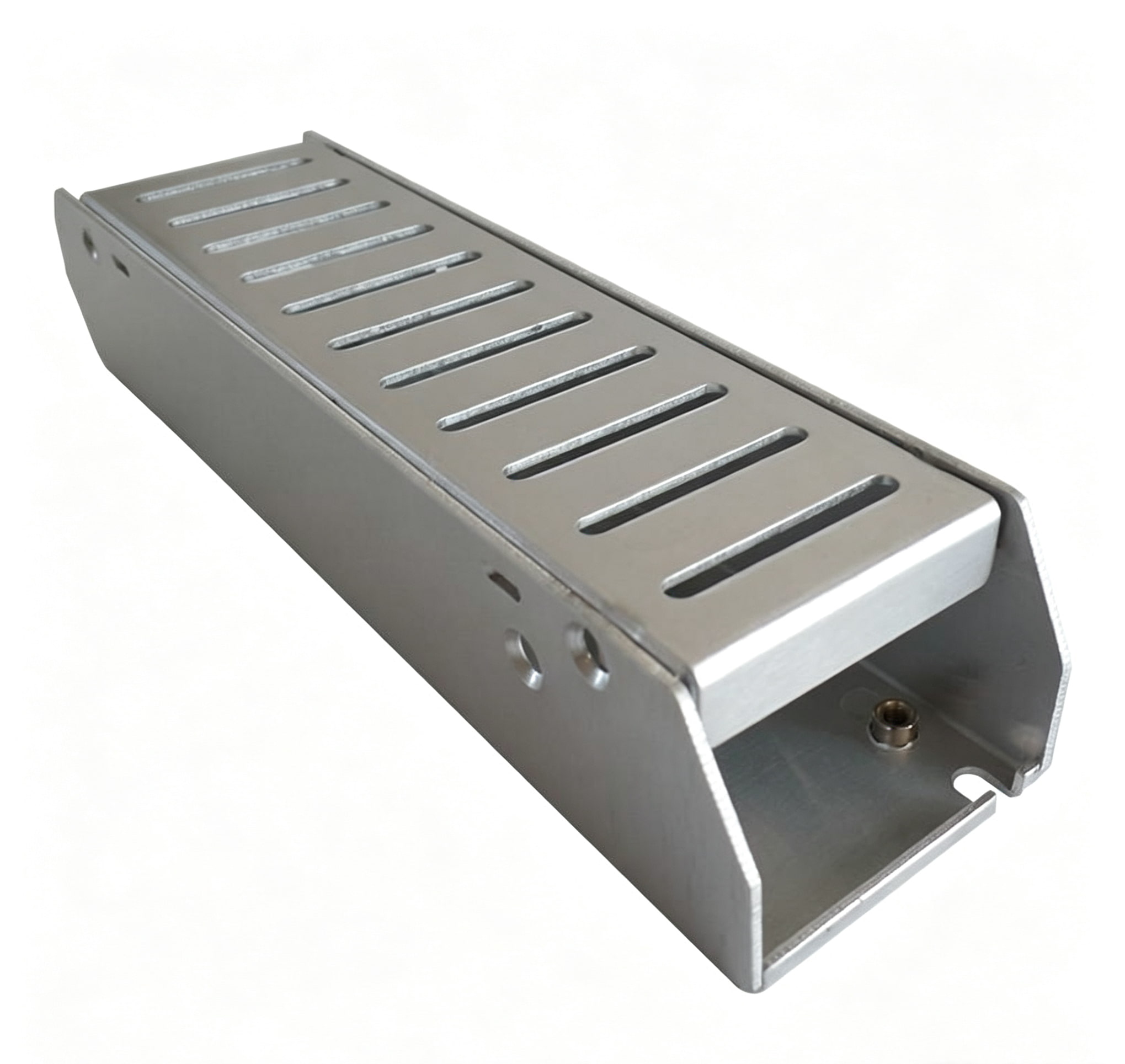
    The long power panel, decorative cover and integrated cavity shell are standardized structural and functional core accessories in the fields of modern consumer electronics, industrial control equipment, vehicle intelligence, kitchen and bathroom appliances, and communication terminals. Different from conventional square and rectangular shells, this type of accessories adopts a narrow and long integrated structural design, which integrates power carrying, circuit protection, heat dissipation, appearance decoration, human-computer interaction, structural reinforcement, dustproof and waterproof. With its core advantages of thinness, high integration, adaptability to narrow and long installation spaces, and regular and unified appearance, it has become a key structural carrier for the miniaturization, flattening, and refined upgrade of various smart devices. It is widely used in notebook equipment, industrial control terminals, routing communication equipment, display terminals, air-conditioning appliances, kitchen and bathroom appliances, vehicle-mounted intelligent systems and other fields. It is a universal core accessory that takes into account equipment functionality, safety, aesthetics and stability. 1. Product core general characteristics The long series of panels and shells adopt modular, integrated sheet metal/plastic extrusion molding processes to adapt to narrow and long reserved installation positions for various types of equipment. The overall features are high adaptability, high protection, high heat dissipation, good appearance, and easy integration. Structurally, it supports opening expansion, button integration, screen embedding, light bar fitting, and wiring storage; in terms of performance, it has been treated with anti-corrosion, flame retardant, insulation, and reinforcement, and can be adapted to multiple working conditions such as indoor room temperature, vehicle bumps, industrial light dust, kitchen and bathroom humidity, etc.; technologically, it supports surface treatments such as sandblasting, wire drawing, spray coating, oxidation, and laser engraving. It takes into account the practicality of industrial equipment and the exquisite appearance of consumer electronics, and can be standardized and adapted to various terminal devices in batches. 2. Introduction to application of full category segmentation scenarios 1. Laptop long decorative cover and long power supply casing As the core peripheral structural component of thin and light notebooks and gaming notebooks, long decorative covers are mainly used to encapsulate and decorate the sides of the notebook body, the hinge position, and the air outlet area to regularize the body lines and enhance the integrated texture of the entire machine. It also blocks internal gaps, screws, and circuit structures to prevent dust from entering the interior of the body. The long power supply case is an exclusive protective case for the notebook's power interface, charging module, and side circuits. It adopts a narrow and long fitting structure to accurately fit into the narrow space on the side of the fuselage, effectively wrapping the power circuit and insulating isolation lines to eliminate potential leakage and short circuit risks. At the same time, a heat dissipation gap is reserved to assist in heat dissipation of the power module and resist structural losses caused by daily opening and closing, transportation, and bumps. On the premise of ensuring that the body is thin and portable, it meets the dual needs of power system safety protection and refined appearance. 2. Industrial control panel shell The long panel shell in the industrial control field is the core load-bearing and protective structure of industrial human-machine interfaces, equipment control terminals, embedded industrial computers, and assembly line control modules. Customized design for the narrow control area, status display area, and button integration area of ​​industrial control equipment. It has strong overall rigidity, is not easy to deform, and has industrial-grade characteristics of dustproof, oil-proof, anti-interference, and high and low temperature resistance. The power module, key panel, status indicator light, small bar display and control circuit can be integrated inside the casing to realize the integrated integration of industrial control equipment control, power supply and status display. The regular long structure is suitable for embedded installation in cabinets and integrated installation on the side of equipment. It effectively isolates industrial electromagnetic interference and protects internal precision circuits. At the same time, the standardized panel layout facilitates equipment debugging, line inspection and later maintenance. It is widely used in machine tool control, automated assembly lines, industrial testing equipment and other scenarios. 3. Router long cavity and communication equipment shell The long cavity of the router and the shell of general communication equipment are the core structural carriers of household and commercial routers, gateways, signal transmission terminals, and small communication base stations. It adopts an integrated long cavity structure and has a regular internal space, which can perfectly accommodate the motherboard, power module, antenna base, heat dissipation structure and wiring port. It adapts to the trend of flat and long appearance design of modern routing equipment. The cavity is made of insulating and anti-interference materials, which can effectively shield external electromagnetic signal interference, ensure stable signal transmission of communication equipment, and avoid crosstalk between power circuits and signal circuits. At the same time, distributed heat dissipation holes and wiring slots are reserved to integrate power supply cooling, line storage, and port protection. It is dustproof, moisture-proof, and anti-aging. It is suitable for long-term uninterrupted operation scenarios such as homes, offices, and computer rooms, and effectively improves the operational stability and service life of communication equipment. 4. Display frame housing The long display frame shell is an exclusive packaging structure for strip screens, long touch screens, equipment status displays, vehicle auxiliary displays, and industrial control prompt screens. It adopts an ultra-narrow strip fit design to accurately wrap the four sides of the screen, which plays a role in fixing the screen, preventing drops and shocks, sealing and dustproof, and blocking light and anti-glare. The shell structure is light, thin and regular, taking up no extra space on the device. It can be seamlessly embedded in the narrow display area of ​​various smart devices, and is widely adapted to industrial control equipment status screens, home appliance touch screens, vehicle auxiliary display bars, smart terminal prompt screens and other scenarios. It is also compatible with screen lamination, touch integration, and backlight heat dissipation design to ensure clear and stable display effects and improve the integration and refinement of the overall appearance. 5. Air conditioning strips The long decorative strips of air conditioners are the appearance supporting structural parts of central air conditioners, hanging air conditioners and cabinet air conditioners. They are mainly installed at the air outlets, air inlets, sides and top of the fuselage. The long integrated structure can perfectly fit the outline of the air conditioner's long and narrow body, covering the gaps in the air outlet, internal air duct structure and screw holes, regularizing the appearance of the whole machine and enhancing the exquisite texture of the home appliance. At the same time, it has the functions of guiding wind, preventing dust, and preventing debris from entering the air duct, which can optimize the uniformity of the air outlet of the air conditioner, prevent large particles of dust and catkins from entering and accumulating inside the fuselage, and reduce problems such as air duct blockage, dust accumulation, and mold. The material is resistant to aging, yellowing, and deformation. It is suitable for long-term indoor constant temperature conditions, taking into account both decoration and practicality. It is a core accessory for air conditioner appearance optimization and air duct protection. 6. Kitchen and bathroom appliance strip control panels It is suitable for kitchen and bathroom appliances such as range hoods, gas stoves, water heaters, integrated stoves, and smart bathroom equipment. The long control panel integrates buttons, touch areas, displays, indicators, and power control modules. It is the core carrier for human-computer interaction and power control of kitchen and bathroom equipment. Designed for the special working conditions of kitchens and bathrooms where there is a lot of humidity, oil smoke, and water vapor, the panel surface is waterproof and oil-proof, easy to clean, and resistant to oil corrosion. The overall sealing performance is excellent, which can effectively block water vapor and oil smoke from intruding into the internal circuit, and prevent leakage, short circuits, key malfunctions and other faults. The long and narrow structure is suitable for the long and narrow body layout of kitchen and bathroom appliances, achieving an integrated and regular design of the control area and power supply area, taking into account the convenience of operation, safety of electricity use and the aesthetics of the whole machine, and is suitable for complex kitchen and bathroom environments with long-term moisture and oil smoke pollution. 7. Car long ambient light housing and interior decorative strips The car's long ambient light housing and interior decorative strips are core accessories for the intelligent and refined upgrade of car interiors. They are widely used in door interiors, center consoles, instrument panels, storage slots, roof interiors and other locations. The long integrated shell accurately wraps the ambient lighting strips, lines and power modules. The structure is shock-resistant and bump-proof. It can adapt to vibrations, high and low temperature alternating conditions during vehicle driving, and prevent loose lights, disconnected lines, and short-circuit faults. The shell has been treated with matte, brushed, frosted and other processes, and has a fine texture, which can perfectly fit the interior lines of the car and play a role in beautifying and regularizing the interior. At the same time, it has dust-proof, anti-oxidation and wear-resistant properties, protects the ambient light power circuit and lamp bead structure, ensures the long-term stable operation of the vehicle lighting system, and takes into account the safety of vehicle power consumption and the visual effect of the interior. 3. Overall process and core application advantages 1. Strong space adaptability: The long and narrow structure is specially customized for the narrow and long reserved spaces of various types of equipment. It is thin and light and not bulky. It adapts to the flat, simplified and integrated design trend of modern electronic equipment. It has a wide range of adaptable scene coverage and is extremely versatile. 2. High functional integration: A single structure integrates multiple functions of power protection, circuit storage, cooling and ventilation, human-computer interaction, appearance decoration, dustproof and waterproof, without the need for additional auxiliary accessories, simplifying the equipment structure and reducing the complexity of the entire machine assembly. 3. Wide range of working conditions: It can be adapted to various complex working conditions such as consumer electronics at room temperature and household use, industrial control dust interference, kitchen and bathroom moisture and oil stains, vehicle vibration and high and low temperature, etc. It has high protection level, aging resistance and strong stability. 4. Both appearance and practicality: It supports multiple types of surface processing, has a neat and exquisite appearance, and has solid structural protection and electrical protection capabilities, which not only enhances the appearance of the product, but also ensures the long-term safe and stable operation of the equipment. 5. Standardization and easy mass production: The modular strip structure has a high degree of standardization, is suitable for mass production and rapid assembly, and is convenient for subsequent maintenance and replacement, effectively reducing equipment production and operation and maintenance costs. 4. Application Summary The long power panel, decorative cover and integrated cavity shell are universal core structural accessories spanning the six fields of consumer electronics, industrial control, communication networks, smart home, vehicle intelligence, and kitchen and bathroom appliances. Different from traditional single-function shells, this series of accessories takes a long and narrow integrated structure as its core advantage, accurately matching the lightweight, integrated, and refined development needs of modern smart devices. It not only undertakes the basic safety functions of power protection, circuit isolation, equipment dustproofing, and structural reinforcement, but also has the added value of appearance decoration, human-computer interaction integration, and equipment optimization. As smart devices continue to be iteratively upgraded, the long integrated panel shell has become an indispensable basic supporting structure for various smart terminal devices due to its high adaptability, high reliability, high integration, and good appearance. It is an important guarantee for the stability, safety, and aesthetics of the device.

leave a message

leave a message
If you are interested in our products and want to know more details,please leave a message here,we will reply you as soon as we can.

home

products

WhatsApp

CONTACT US